
“Given the uncertainties and risks, and how far we have come, the committee is proceeding carefully,” Powell said in prepared remarks for a Thursday lunchtime address in New York. “Incoming data over recent months show ongoing progress toward both” of the Fed’s goals to maintain stable inflation and strong employment.
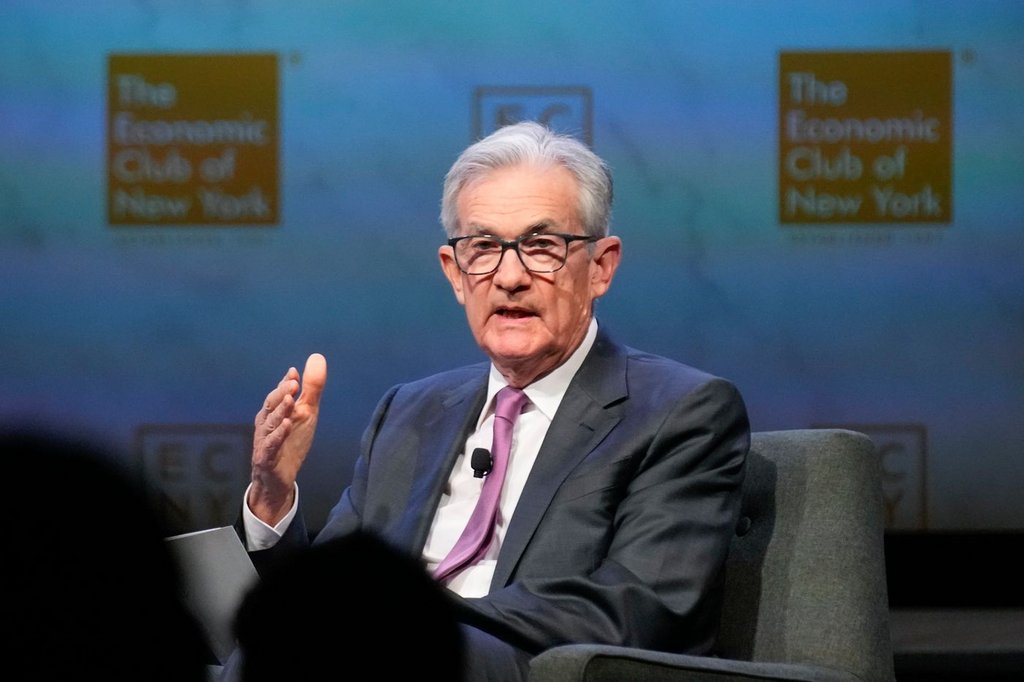
Powell’s remarks closely tracked those of his colleagues in recent days who have suggested they are prepared to hold short-term interest rates steady at their next meeting on Oct. 31-Nov. 1. That is in part because a run-up in long-term interest rates over the past month could slow the economy, effectively substituting for rate rises if higher borrowing costs are sustained.
Advertisement - Scroll to Continue
“We remain attentive to these developments because persistent changes in financial conditions can have implications for the path of monetary policy,” Powell said.
Coming decisions over whether to raise rates again and how long to hold them near current levels would depend “on the totality of the incoming data, the evolving outlook, and the balance of risks,” he said.
Firmer-than-expected economic activity has made it difficult for the Fed to declare an end to rate rises, and Powell stopped short of doing so Thursday.
A blowout September employment report from the Labor Department earlier this month and a strong retail-sales report from the Commerce Department on Tuesday have extended a run of surprisingly brisk data releases.
Still, Powell didn’t suggest that such economic strength was yet generating the heat—in the form of higher inflation—that would justify raising rates further.
As he did in a speech this August, Powell twice used the word “could” instead of the more muscular “would” to describe whether the Fed would tighten again. Evidence of stronger growth “could put further progress at risk and could warrant further tightening of monetary policy,” he said.
Officials face a tricky forecasting exercise right now because even though economic activity has defied projections of an imminent slowdown, inflation has also declined. Supply chains have healed, and demand for goods, services and workers eased following boom-like conditions when the economy reopened after the pandemic.